
Logic (5th–8th)
Where Questions Lead to Understanding
In the logic stage, students begin to explore how ideas connect and why they matter. As they mature, they think more analytically, ask questions, recognize cause-and-effect relationships, and learn to work through challenging or seemingly contradictory ideas.
Instruction includes debate, formal logic, Progymnasmata, and speech, all designed to sharpen reasoning and communication skills. Students are also introduced to Socratic Dialogue—a question-driven approach that helps them discover and embrace truth. Just as Jesus often asked thought-provoking questions, such as “Who do you say I am?” students are guided to think deeply and grow in wisdom.

Discovering New Interests
Logic School Electives

Athletics
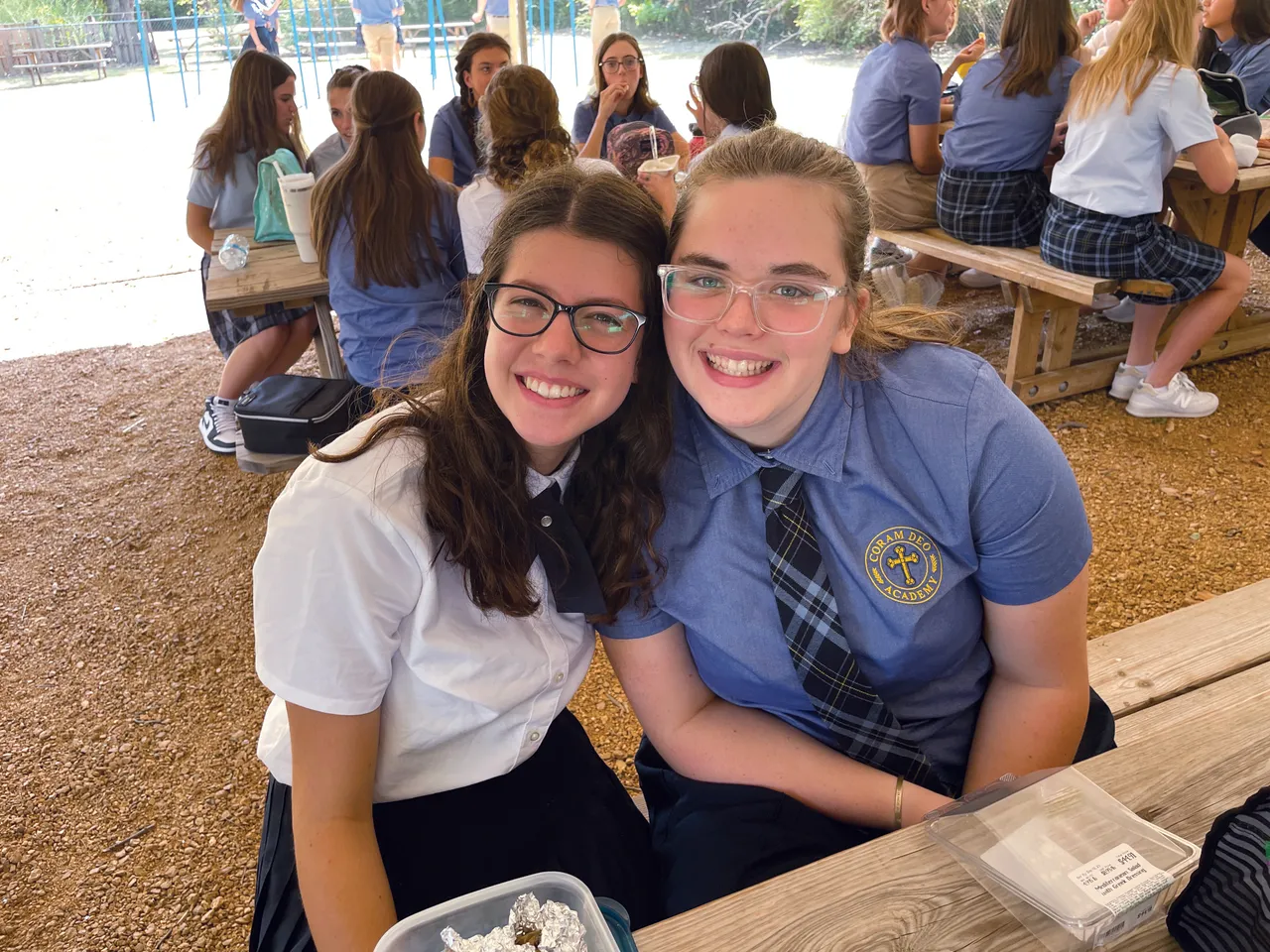
Our commitment to the continued development of students extends beyond the home and classroom. Our athletic programs are used as a platform to assist in the development of character and integrity in our students. We believe the practice of biblical principles will create the discipline needed to live a successful life for Christ.

Arts
Through music, theater, and visual arts, students not only cultivate creativity and skill but also learn to reflect the beauty and order of God’s creation. Rooted in the traditions of Classical Christian education, the arts become a means of shaping character, nurturing discipline, and inspiring students to use their gifts for the glory of Christ.


“CDA influenced both my interest in global communities and my love for language. I started reading and learning about world history and cultures in Logic School. Far from stifling my curiosity, these classes encouraged me to explore how other religions relate to my own faith, which prepared me for life as a Christian in a predominantly Muslim community. Humility, understanding, and curiosity—qualities that my best teachers at CDA helped me learn and develop—have been three of my greatest assets for adjusting to life here.”
Conner Crawford
Class of 2018, Fulbright Scholar in Kyrgyzstan

What grades does the Logic School cover?
Logic school at CDA includes students in grades 5 through 8.
What is the typical class size in Logic School?
With a 14:1 student-to-teacher ratio, every student is known and supported. Our collaborative approach means students get meaningful individual attention from both teachers and parents, helping each student thrive both academically and personally.
What extracurricular activities are available?
Students may participate in a variety of extracurricular activities, including sports, music, theater, clubs, and more. CDA also offers service opportunities to Logic School students to help them develop into servant leaders. View our course catalog to learn more about electives available at your preferred campus.
Is there a focus on technology in the curriculum?
In Logic School, students grow as digital stewards—building practical skills in typing, managing coursework in Canvas, and using technology wisely while still learning primarily through real books and rich, face-to-face experiences.