Inside the Classical Christian Classroom
By Shannon Vowell
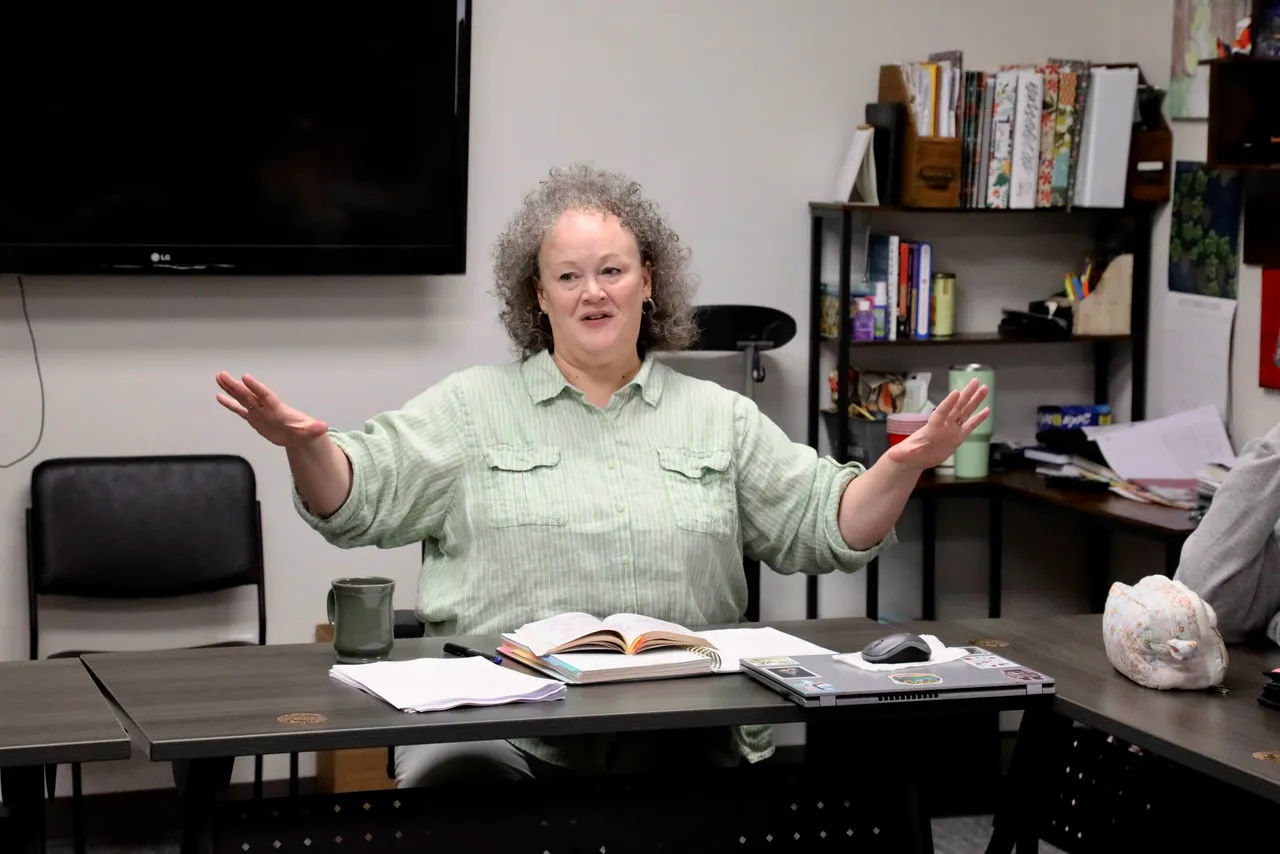
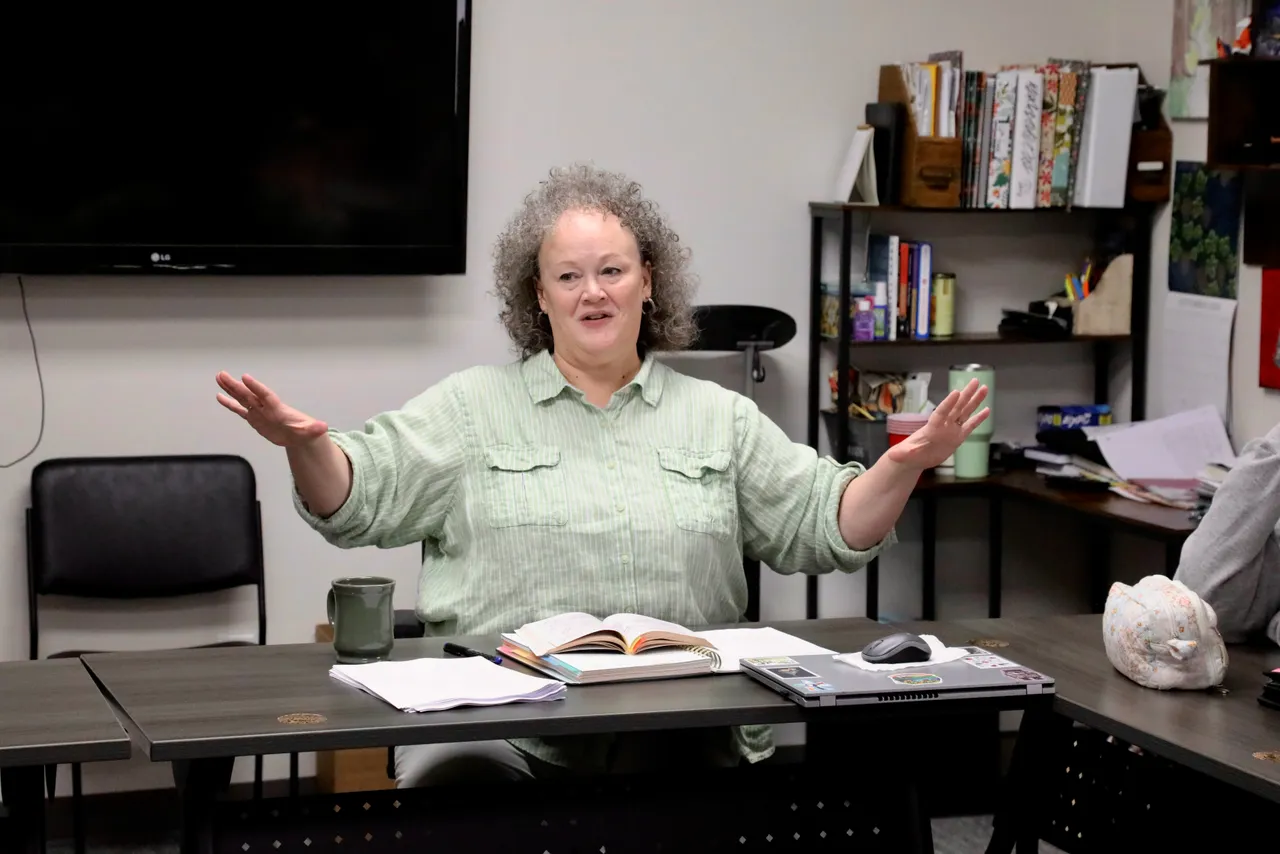
Mrs. Shannon Vowell has taught Rhetoric Literature and AP Art History at CDA for the past four years. She studied Art History at Yale and Literature at Cambridge before working for many years as a freelance writer. Her husband serves as a senior pastor, and their family has been part of the CDA community for a decade. Their oldest daughter graduated from CDA in 2023, and their younger daughter is a member of the Class of 2027.
Drawing on her experience as a teacher, Mrs. Vowell explores what makes CDA’s Classical Christian approach distinctive and how it shapes meaningful learning in the classroom.
CDA differs in obvious ways from other schools. Our stated mission is radically counter-cultural; our routine is purposefully out-of-step from the norm. What’s less obvious: what happens in our classrooms is utterly unique to us. How so?
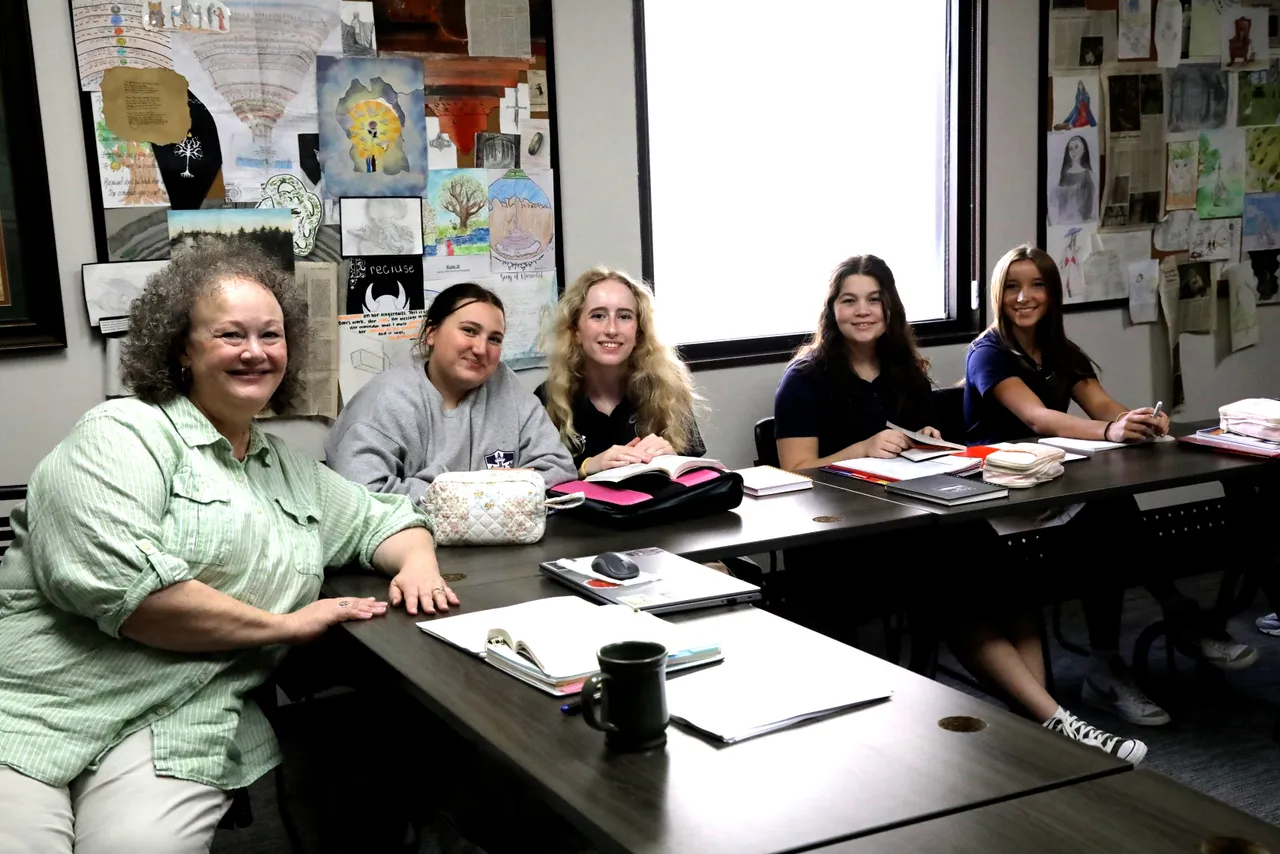
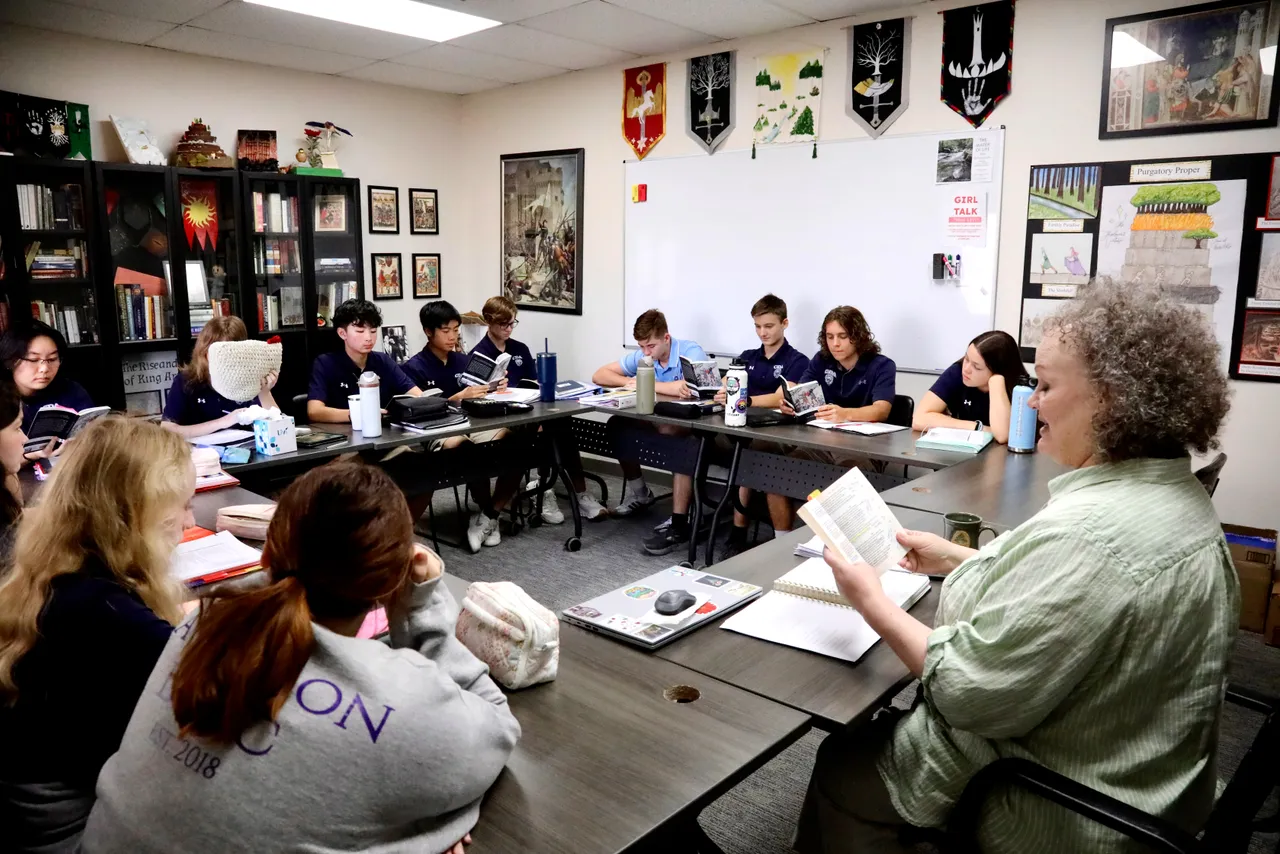
Consider the work of students in Senior Literature at Collin County this past school year. Building on their years of work exploring the Classical Canon, they contemplated specific questions as they sought to understand American writing in the context of their prior studies. Firsthand knowledge of Shakespeare, Dante, Chaucer, and Milton equips CDA Seniors to address complex issues such as, “Is there an American Literary Canon? If there is, what are its characteristics? Which works belong? Why? Where does the American Literary Canon differ from the Classical Canon and what accounts for those differences?” by Mrs. Shannon Vowell, Logic/Rhetoric Faculty 15 Such questions become the basis for classroom discussion that can often sound like graduate school seminars. Impressive and exciting as this dynamic is, it is also imminently logical: students’ capacity for meaningful inquiry directly corresponds to CDA pedagogy.
This CDA difference manifests in AP Art History class, too. Sophomores, juniors, and seniors work side by side in this class, making connections not only with the works of the Western artistic tradition but also with works from other cultures, other worldviews… and the result is an incredibly rich synthesis of aesthetic analysis and nascent apologetics.
Students apply their Christian worldview and Classical training to understanding objects like the Nkisi “power figure” of the Kongo people in East Africa and the ancient worship site of Chavin de Huantar in Peru, drawing conclusions which go far beyond basic comprehension of artistic genre.
CDA’s ongoing commitment to putting whole books into students’ hands and heads means that classroom discussion retains depth and rigor, specifically “classical” characteristics. CDA’s ongoing commitment to Christian orthodoxy means that our community – including our classrooms – functions under the headship of Christ. CDA is different for a plethora of reasons, but those Christian, Classical cornerstones remain the primary distinctives of our school.
Our Campuses
Administrative Office