
Alumni Spotlight: Kenneth Stibler
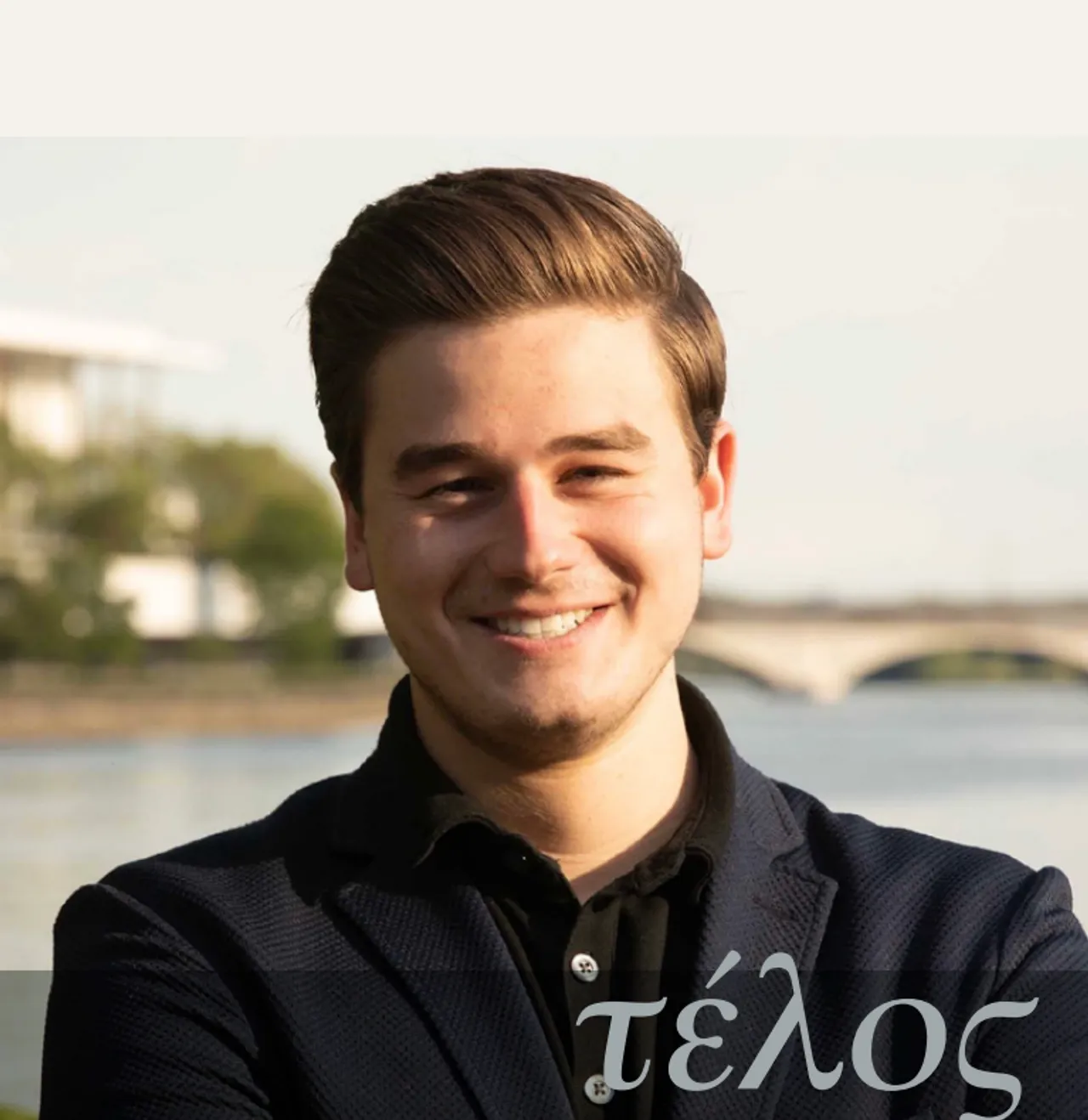
Kenneth Stibler ‘18 is based in Washington, D.C. and is a graduate of The George Washington University. He is the founder of Reyvism, an AI development and engineering company that builds solutions for complex problems in defense, finance, and energy. Stibler has worked across government-backed AI startups, international institutions, and think tanks. He remains deeply engaged in policy debates around technology, labor markets, and national security.
How would you describe the influence of Coram Deo Academy’s classical, Christian education on the way you think and approach problems today?
CDA is both the hardest thing I have done intellectually and the most valuable. The rigorous foundation it built has served as bedrock for operating in complex, ambiguous spaces. The focus on logic and the classical tradition has been invaluable in situations where I have been pulled into entirely new fields and had to learn on the fly. What surprises me is how often CDA comes up in conversation when people ask about my background; they immediately discount the notion that college could have taught me to think that way. I am eternally grateful for the institution and the individuals there who take education seriously enough to challenge and sharpen young minds.
How did the collaborative model provide space for you to discover the gifts, talents, and interests that shape your current career?
Being in a place where intellectual curiosity was not just tolerated but celebrated made a real difference. The home days gave me space to chase ideas that caught my attention, which meant education was never something bound to any place, time, or person. The thing that has probably mattered most in my career is what came from the combination of high rigor and low enforced structure. That pairing built a genuine sense of self-direction that I did not fully appreciate until I found myself working in environments with very low external structure. From emerging markets to new technologies and the day-to-day reality of running your own company, you cannot fake that kind of self-management.
Looking back, were there specific habits or disciplines from your education that still impact how you communicate or make decisions?
CDA set a standard for how to think and work, and that became the baseline I measure everything else against. Logic class left a mark that I notice constantly in how I structure an argument, how I stress-test a decision, and how I try to anticipate where my reasoning might break down. It is less a set of rules I consciously apply and more a way of operating that became second nature.
How did your faith formation in school influence your perspective on innovation, economics, or the role of technology in society?
Spending time in places like D.C. and New York, you get acquainted with the unspoken incentives that quietly guide decisions. These are the same incentives that drive an unthinking and uncaring focus on speed, growth, and efficiency without any terminal or moral goal (or anything beyond second order effects in many cases). Telos, as Mr. Armstrong introduced me to, is what anchors my work in tech rather than a narrow love of human innovation for its own sake.

Our Campuses
Administrative Office